
Centennial · Arapahoe County
Water Filtration Sized to the District That Serves Your Centennial Street
Centennial is not on one water system. Snowmelt, deep wells and blends of both reach different neighborhoods. We find out which one is in your pipes, then fit the system that answers it. Nothing bigger.
How water reaches a Centennial tap
Five stops. Each one changes what comes out of your faucet, and each one is a reason two houses a mile apart need different equipment.
-
Snowpack and aquifer
Mountain runoff feeds the surface supplies. Some districts also pump from the Denver Basin aquifers, hundreds of feet down, where water picks up more minerals.
-
Treatment plant
The utility disinfects with chlorine or chloramine, depending on who treats it. That choice decides which carbon media works at your house.
-
District main
Blends shift with the season. Late summer can bring the earthy taste many Front Range households notice for a few weeks.
-
Your service line
Older galvanized pipe adds rust. Newer PEX does not. Copper can leach a little when water sits overnight.
-
Your faucet
This is the only place that matters to you, and the only place we size a system from. We read it before we recommend anything.
What you can count on
- Written price firstOne figure, on paper, before work starts.
- No commission on equipmentNobody here earns more for selling you more.
- Certified componentsWe install NSF/ANSI-certified filters, membranes and media.
- Service after installFilter changes and repairs on any brand we can source parts for.
Water filtration services in Centennial
Fourteen services. Most homes here need one or two. Each page says what the system fixes, what it does not, and what it takes to keep running.
-
Whole-House Water Filtration
Point-of-entry systems that treat every tap in the home.
Details -
Water Softener Installation
Ion-exchange softeners that eliminate hard-water scale and spotting.
Details -
Reverse Osmosis Systems
Multi-stage RO for crisp, low-TDS drinking water.
Details -
Under-Sink Drinking Water Filters
Compact filters delivering clean water at the kitchen sink.
Details -
Carbon Filtration Systems
Activated-carbon media that removes chlorine, chloramine, tastes, and odors.
Details -
UV Water Purification
Chemical-free UV disinfection against bacteria and viruses.
Details -
Salt-Free Water Conditioners
Template-assisted crystallization that reduces scale without salt or electricity.
Details -
Well Water Filtration & Treatment
Custom treatment trains for iron, sediment, bacteria, and hardness.
Details -
Sediment Filtration
Spin-down and cartridge filters that remove sand, silt, and rust.
Details -
Iron & Sulfur Removal
Oxidizing systems that end rust staining and rotten-egg odor.
Details -
Scale Prevention & Water Heater Protection
Scale control that protects tankless and tank heaters.
Details -
Commercial Water Filtration
Filtration and softening for restaurants, salons, cafes, and offices.
Details -
Water Testing & Analysis
On-site testing for hardness, chlorine, TDS, and contaminants.
Details -
Water Filter Repair & Maintenance
Service, filter changes, and repairs for all major brands and systems.
Details
Why south metro homeowners call us first
Plenty of companies sell water systems in Denver. Few of them start by asking which district bills you.
-
We know the districts
Southglenn and Smoky Hill can get water with different hardness and different disinfectants. We plan around the source your house actually sits on, and we check it at your tap.
-
We size down when we can
If a carbon filter solves the taste, you will not hear a softener pitch. If the softener can be smaller, it will be. Oversized equipment wastes salt, water and money.
-
The price is written
You get the figure on paper before a pipe is cut. Labor, parts, haul-away and the walkthrough are in it. It does not grow on install day.
-
Clean installs
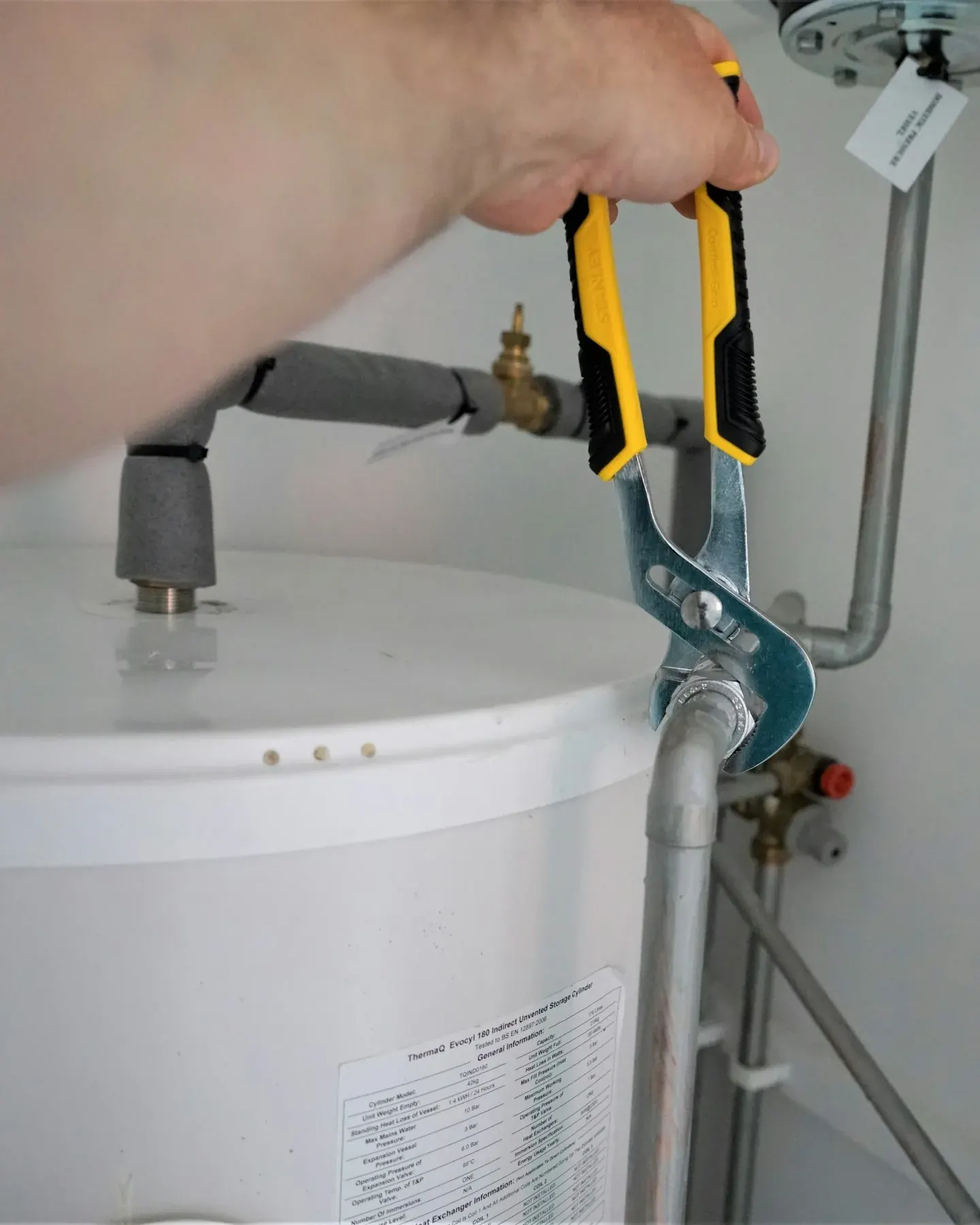
Drop cloths down, bypass valve in, every joint checked under pressure. We leave the mechanical room cleaner than we found it and show you the shutoffs.
-
We stay on the hook
Filter reminders, cartridge changes and repairs, from the same crew. Call (303) 747-4253 and you reach the people who did the work.
Three steps, no surprises
The whole job, start to finish, usually fits inside a week.
-
We read your water
A tech checks hardness, chlorine or chloramine, total dissolved solids, pH and iron at your kitchen tap. Wells get a fuller panel. Takes about thirty minutes, and you see every number.
-
We write the plan
You get the system that answers those numbers, in writing, with the price. If two options make sense, we show both and say which one we would put in our own house.
-
We install and hand over
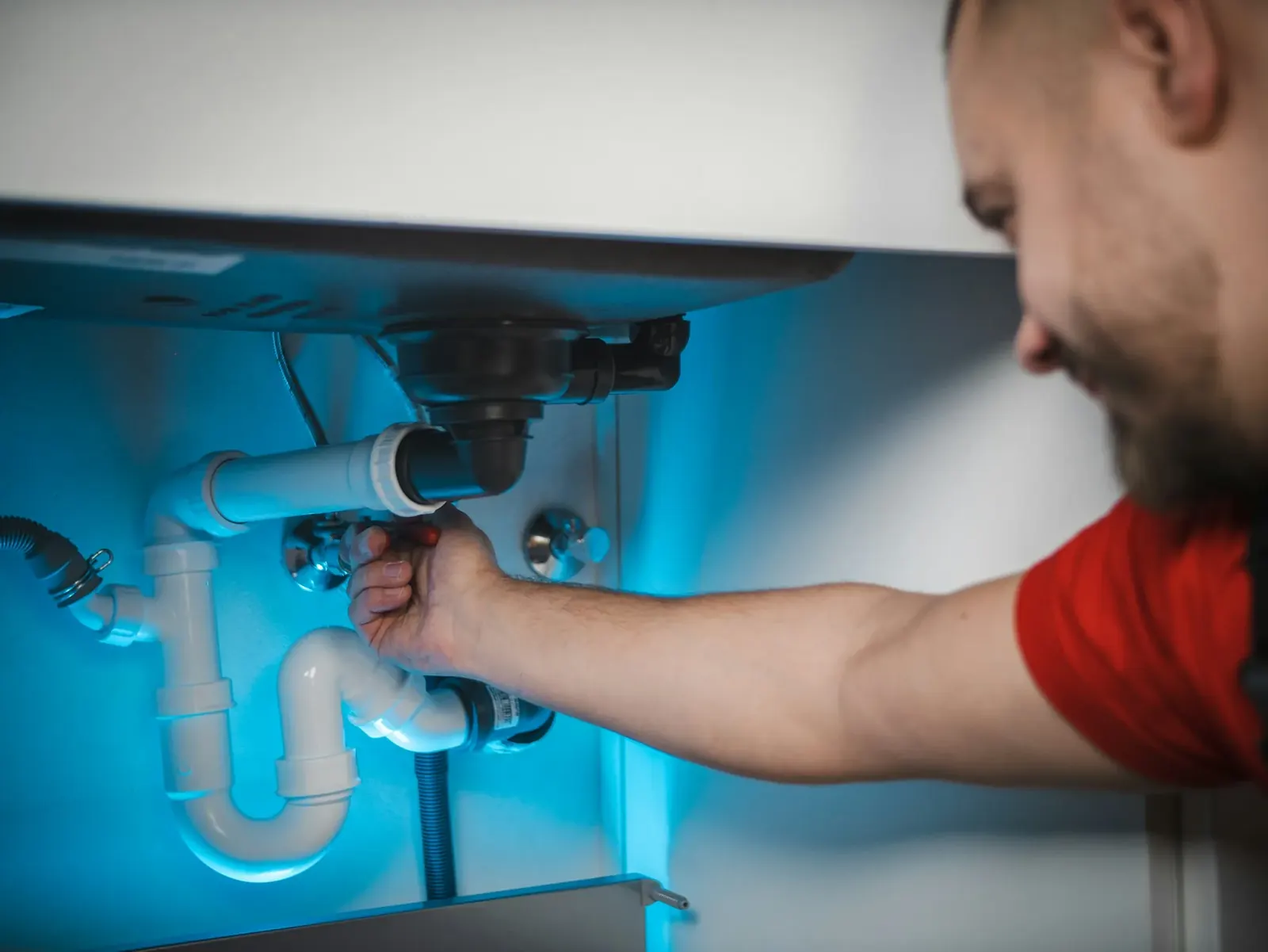
Most installs take two to four hours. We test the water again afterwards, show you the bypass and the filter schedule, and leave you a printed record.
Centennial first, the whole south metro after
We work out of Centennial and run routes along I-25, E-470 and Arapahoe Road. That keeps arrival windows tight from Littleton to Parker.
Roads we drive daily
Arapahoe, Dry Creek and County Line. We know which mornings I-25 jams at Belleview and plan around it, so your window holds.
Routes by area, not by luck
Visits are grouped by neighborhood. Piney Creek on one run, Southglenn and Littleton on another. That is how we keep windows to two hours.
One number for all of it
Greenwood Village or Foxfield, same crew, same price sheet. (303) 747-4253 reaches the people who will be at your door.
- Centennial Arapahoe Rd, I-25, E-470 Primary
- Greenwood Village I-25, Orchard Rd
- Littleton University Blvd, Broadway
- Highlands Ranch C-470, Broadway
- Lone Tree Lincoln Ave, I-25
- Englewood US-285, Broadway
- Southeast Aurora E-470, Smoky Hill Rd
- Parker Parker Rd, E-470
- Foxfield Arapahoe Rd, Parker Rd
- Cherry Hills Village University Blvd, Quincy Ave
- Castle Pines I-25, Castle Pines Pkwy
- Denver Tech Center I-25, Belleview Ave
Not on the list but close? Ask. We cover most of Arapahoe and northern Douglas County.
Ask about your street — (303) 747-4253Questions Centennial homeowners ask
Straight answers. If yours is not here, call (303) 747-4253.
Is Centennial water hard?
It depends on the district. Surface water from mountain snowmelt tends to be moderately hard. Neighborhoods that receive a blend with deep groundwater can run harder. We measure it at your tap, because the district's annual average will not tell you what your shower sees.
Do I need a softener or a filter?
They solve different problems. A softener removes hardness minerals that leave scale. A filter removes chlorine, chloramine, taste, odor and some contaminants. Plenty of Centennial homes need only one. We will tell you which after reading your water.
My water tastes earthy in late summer. Is it unsafe?
Many Front Range households notice an earthy or musty taste for a few weeks in late summer, often linked to naturally occurring compounds in reservoirs. Your utility still treats the water. A good carbon filter usually takes that taste out completely.
Does my district use chlorine or chloramine?
It varies across Centennial, and it matters. Chloramine needs catalytic carbon and more contact time than plain chlorine. Your utility's water quality report will say, and our test confirms what is reaching your tap.
How much does a whole-house system cost?
It depends on house size, flow rate and what the water needs. We do not quote from a table. After the reading you get one written figure covering equipment, labor and haul-away, and it does not change on install day.
How long does installation take?
Most under-sink systems take one to two hours. Whole-house filters and softeners usually take two to four. Wells with multi-stage treatment can take most of a day. You will have water back on before we leave.
Will a softener make my water taste salty?
A properly sized and set softener adds very little sodium, and most people cannot taste it. If you want salt-free drinking water, an under-sink reverse osmosis system removes it at the kitchen tap.
I am on a private well near Parker. Can you help?
Yes. Wells around Parker, Foxfield and Elizabeth can carry iron, manganese, hardness and sometimes bacteria. We run a fuller test on well water and design treatment in the right order, so each stage protects the next.
Do you service systems you did not install?
Yes. We change filters, rebuild valves and repair softeners and RO units from most major brands. If parts are no longer made, we tell you straight and price a replacement.
How often do filters need changing?
Sediment cartridges often every three to six months, carbon every six to twelve, RO membranes every two to three years. Usage and water quality move those numbers. We leave a written schedule with every install.
What makes south metro water its own problem
Most of the Denver area drinks treated mountain water, and most of it is perfectly safe. The complaints we hear are about everything else: spots on the glass shower door in Highlands Ranch, a chemical edge to the coffee in Southglenn, rust in the toilet tank of an older house near Littleton, orange stains on a horse property out past Foxfield.
Those are four different problems with four different fixes, and they can all turn up within twenty minutes of each other. That is why we refuse to quote a system over the phone, and why the first thing we ask is which district sends you a water bill. If you are on a well, we ask about that instead, and plan a fuller test.
Find out what is in your Centennial water
One call books a reading at your kitchen tap. You will know what your district sends and what, if anything, needs fixing.
Written price before any work. No commission sales.